
Importance of Proper Maintenance
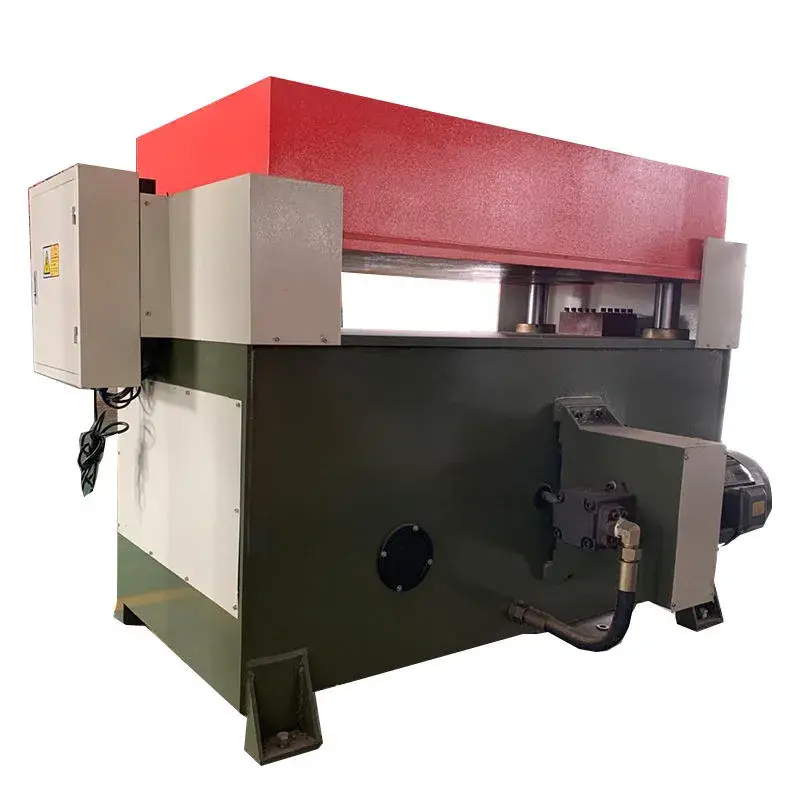
Learning how to maintain hydraulic die cutting machine is very importatnt for our workes to operation, which can extend service life and reduce breakdowns. Proper maintenance is the cornerstone of ensuring the long-term reliability and efficiency of hydraulic die cutting machine, which are critical assets in foam processing, packaging, and manufacturing facilities. For factory owners and maintenance teams, implementing a structured maintenance routine centered around how to maintain hydraulic die cutting machine is essential to maximizing operational uptime, preserving product quality, and protecting your investment.
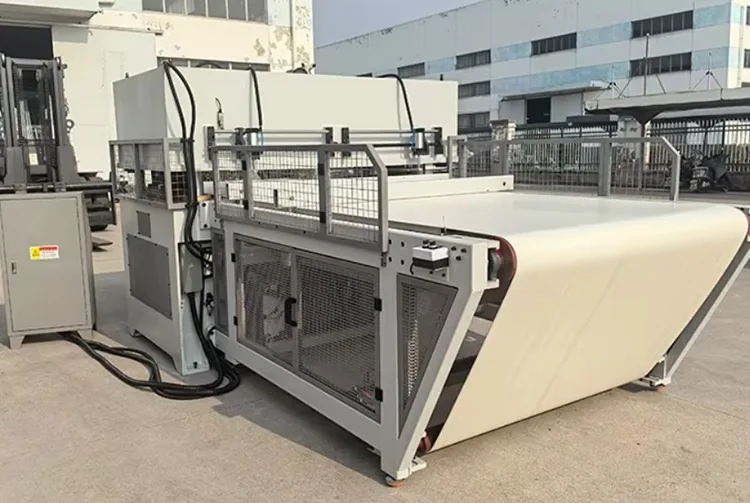
Step 1: Regularly Inspect and Replace Hydraulic Oil
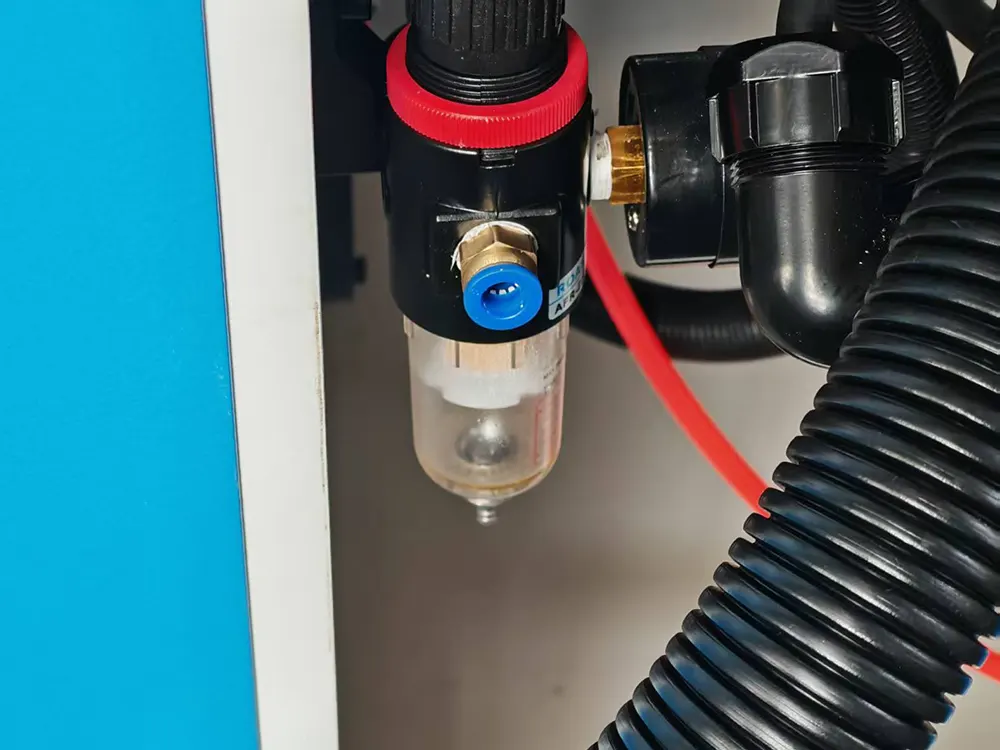
The hydraulic system is the heart of any hydraulic die cutting machine, and the oil that powers this system is its lifeblood. When learning how to maintain hydraulic die cutting machine, prioritizing hydraulic oil care is non-negotiable. Start by conducting visual inspections of the oil level and quality at the start of each work shift. The oil level should always align with the manufacturer’s marked indicators on the hydraulic tank; if it is low, check for leaks in hoses, fittings, or seals before adding more oil.
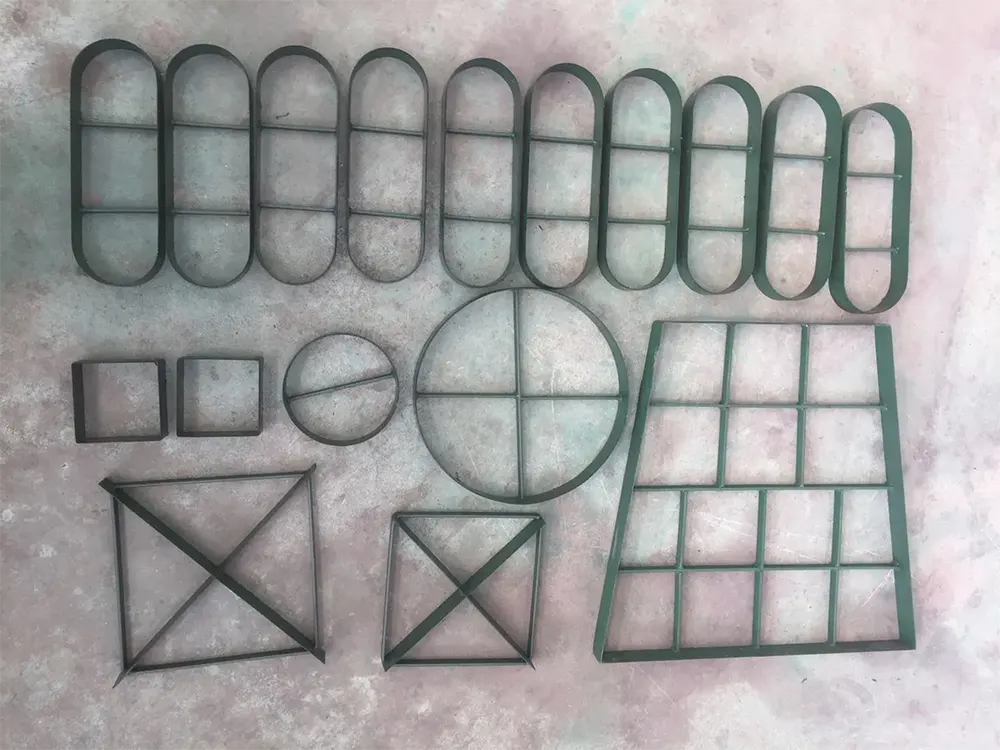
Step 2: Check and Maintain Cutting Die & Blade
The cutting die and blade are the direct interfaces between the machine and the materials being processed, making their condition critical to achieving clean, precise cuts and avoiding product waste. A key component of how to maintain hydraulic die cutting machine is regularly inspecting and maintaining these components. After each production run, take the time to clean the cutting die thoroughly, removing any residual foam, adhesive, or debris that may have adhered to its surface.
Step 3: Lubricate Moving Components Regularly
Smooth operation of all moving parts is essential to reducing friction, minimizing wear, and extending the lifespan of your hydraulic die cutting machine. As part of mastering how to maintain hydraulic die cutting machine, a weekly lubrication routine is highly recommended. Focus on lubricating high-friction components such as guide rails, ball screws, bearings, and pivot points. Select an industrial-grade lubricant that is compatible with your machine’s materials and operating conditions—avoid using generic lubricants that may cause corrosion or contamination.
Step 4: Conduct Monthly Comprehensive Inspections
In addition to daily and weekly tasks, conducting a thorough monthly comprehensive inspection is a vital part of how to maintain hydraulic die cutting machine, as it allows you to identify and address potential issues before they develop into major, costly problems. Start by inspecting all mechanical connections, including bolts, nuts, and fasteners, to ensure they are tight and secure. Vibration during machine operation can cause loose fasteners, which may lead to misalignment, abnormal noises, or even component failure. Next, listen for unusual sounds during operation, such as grinding, squealing, or knocking, as these are often early indicators of worn bearings, misaligned parts, or hydraulic system issues.
 English
  Spanish
  Portuguese
  German
  French